Cool stuff and curiosities from my collection, mostly of the semiconductor type.
All images are links to full-size copies.
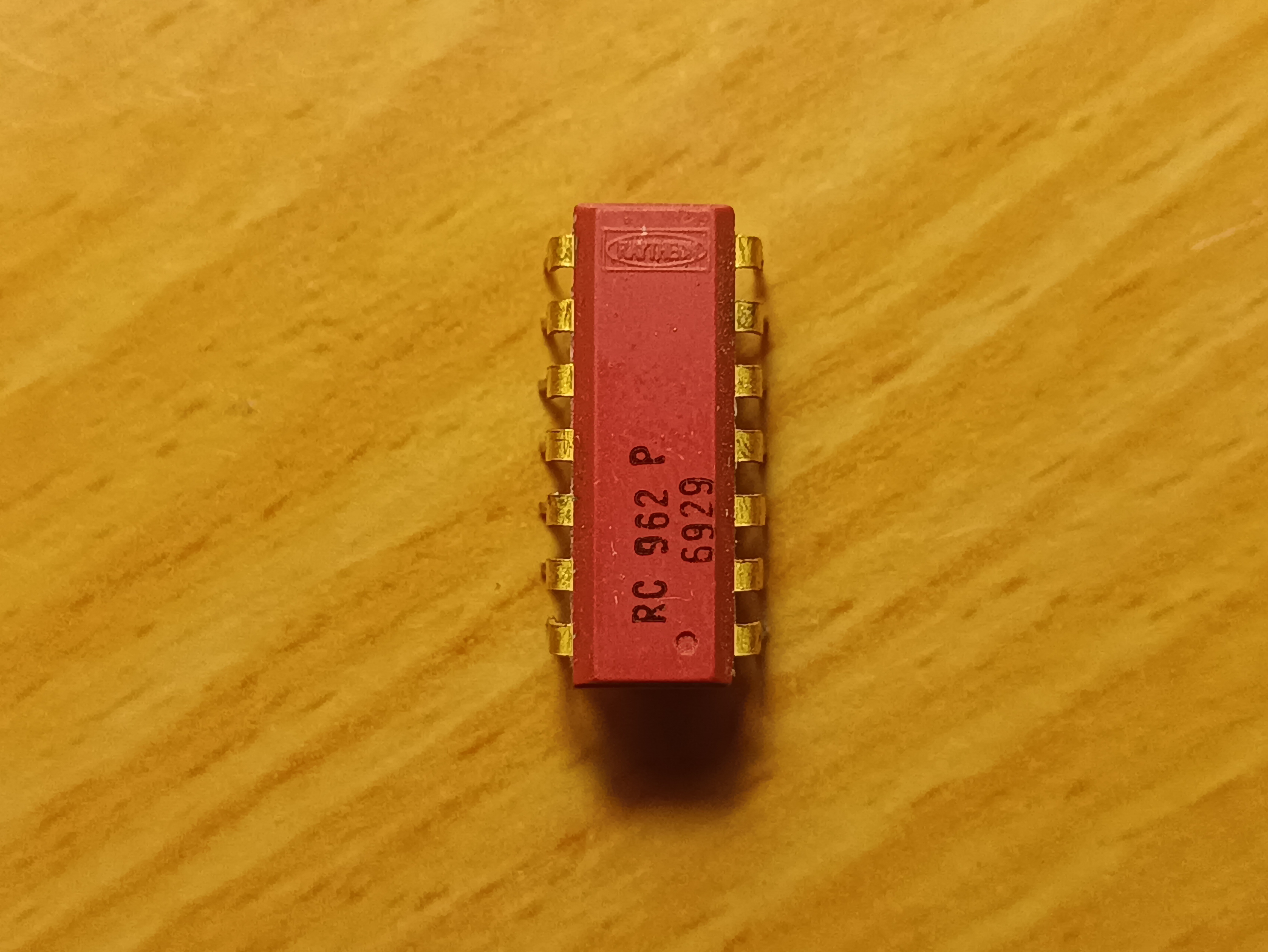
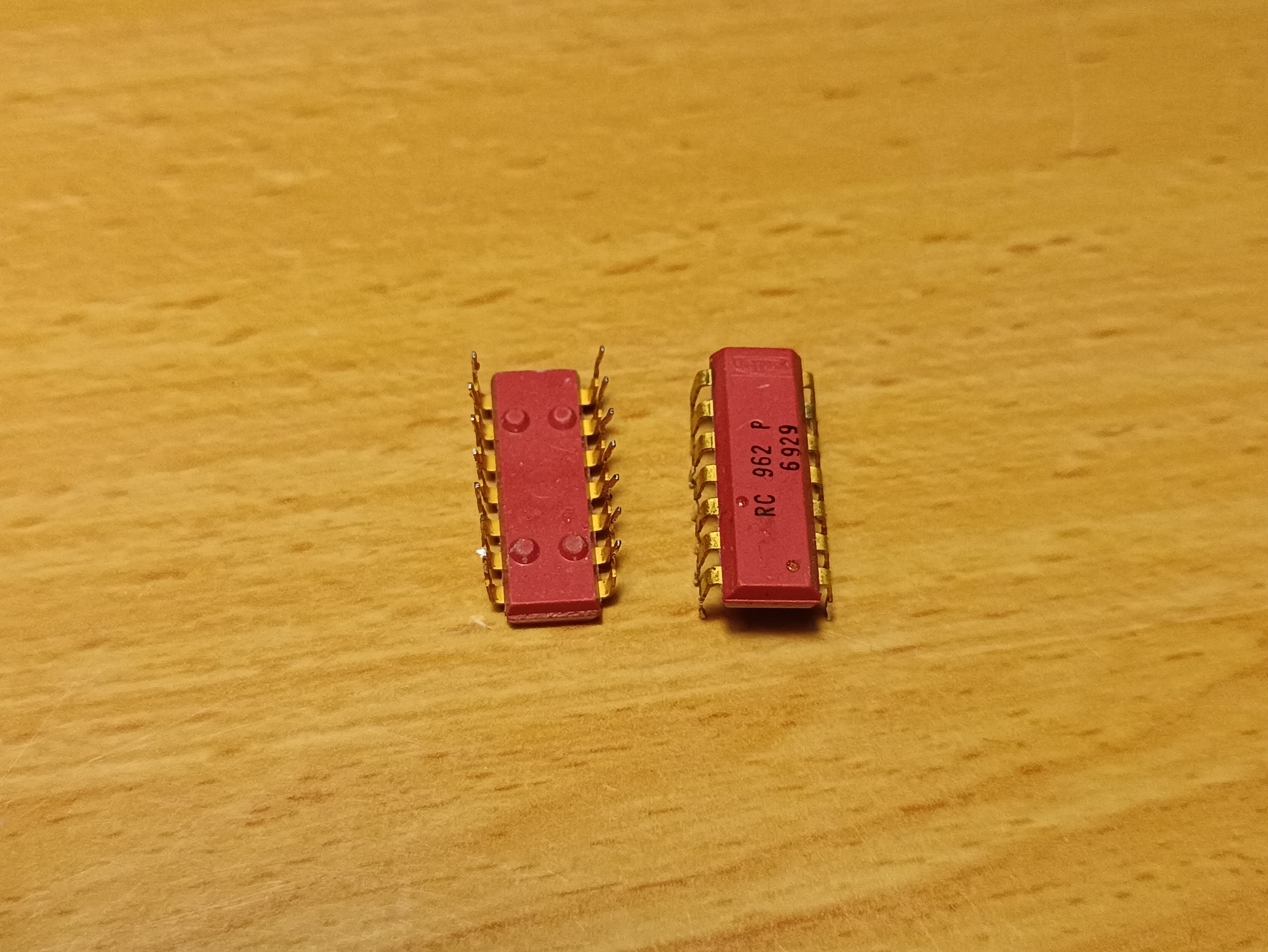
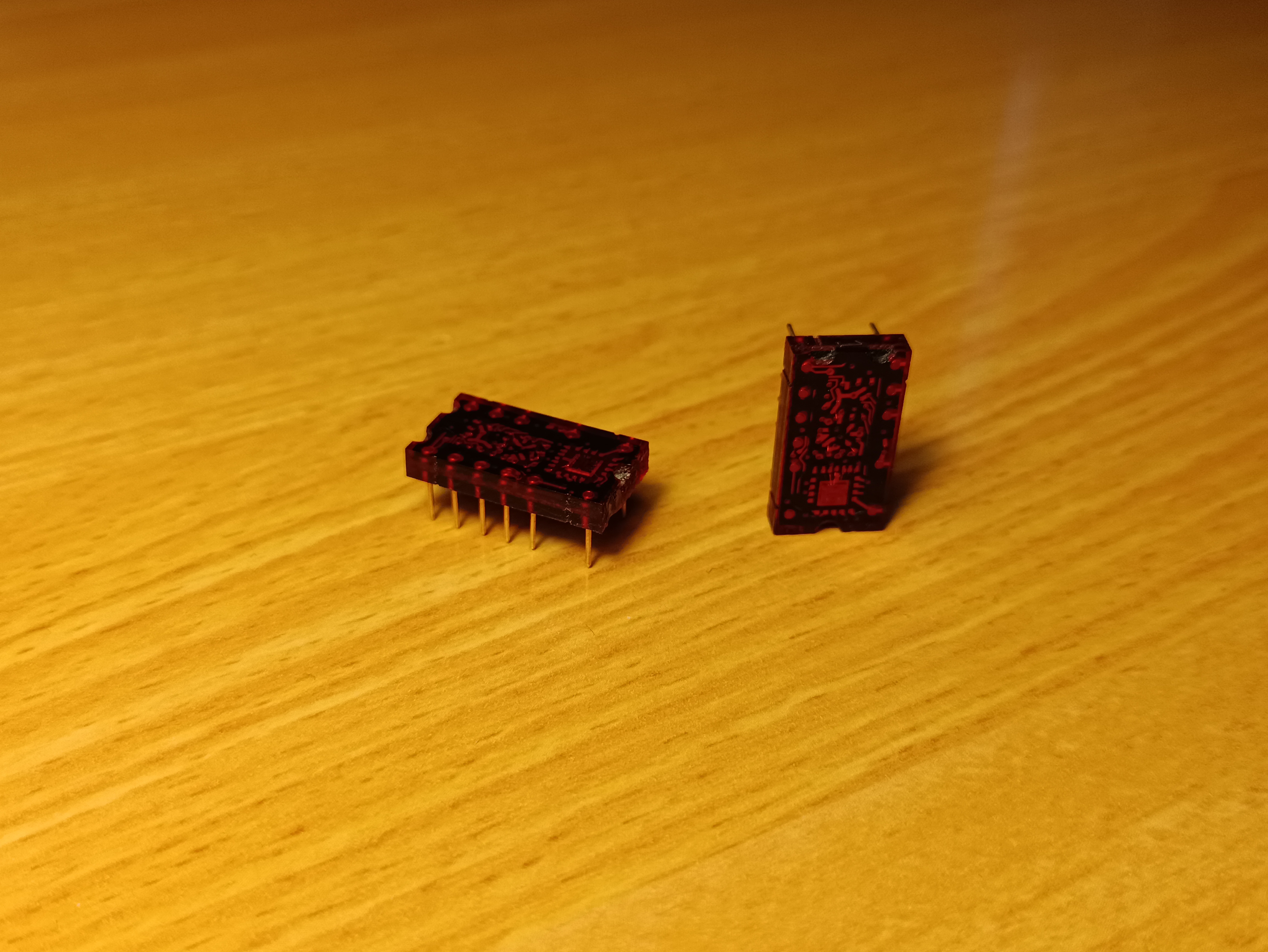
These chips are Raytheon-manufactured equivalents to the MC962, which I believe to be manufactured in week 29 of 1969. No datasheet for this exists on the web, but I have found a Motorola DTL logic product catalog that contains some datasheet-adjacent information for the MC962, including pin functions. These red-pink (rink?) chips are working, contain three triple-input NAND gates, and have the same pinout as the 74x10 logic chip. The pins are gold-plated and have a "1" shaped hole in pin 1. Due to the unscrupulous ethics of the manufacturer, I refer to these as sinister semiconductors.
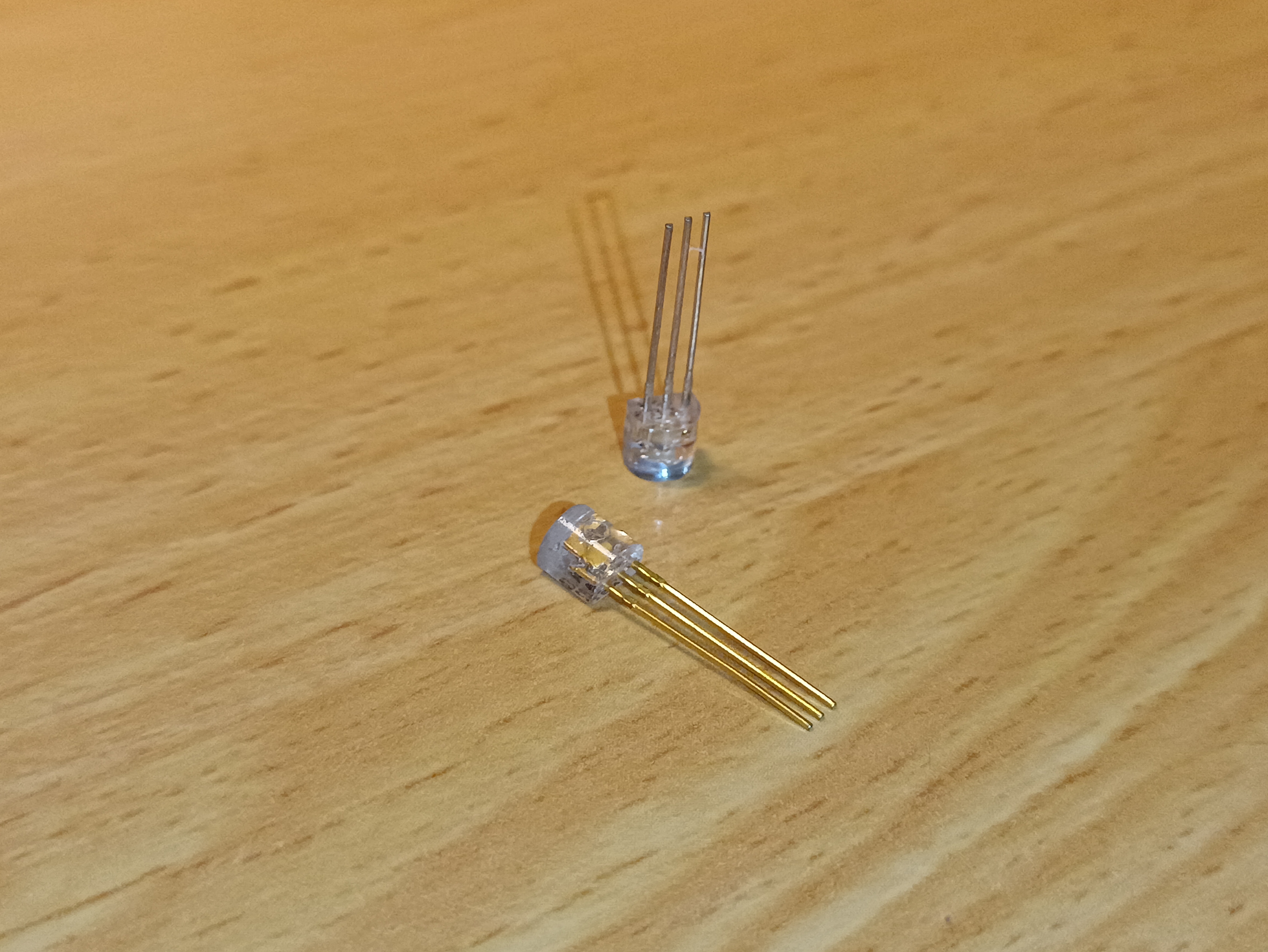
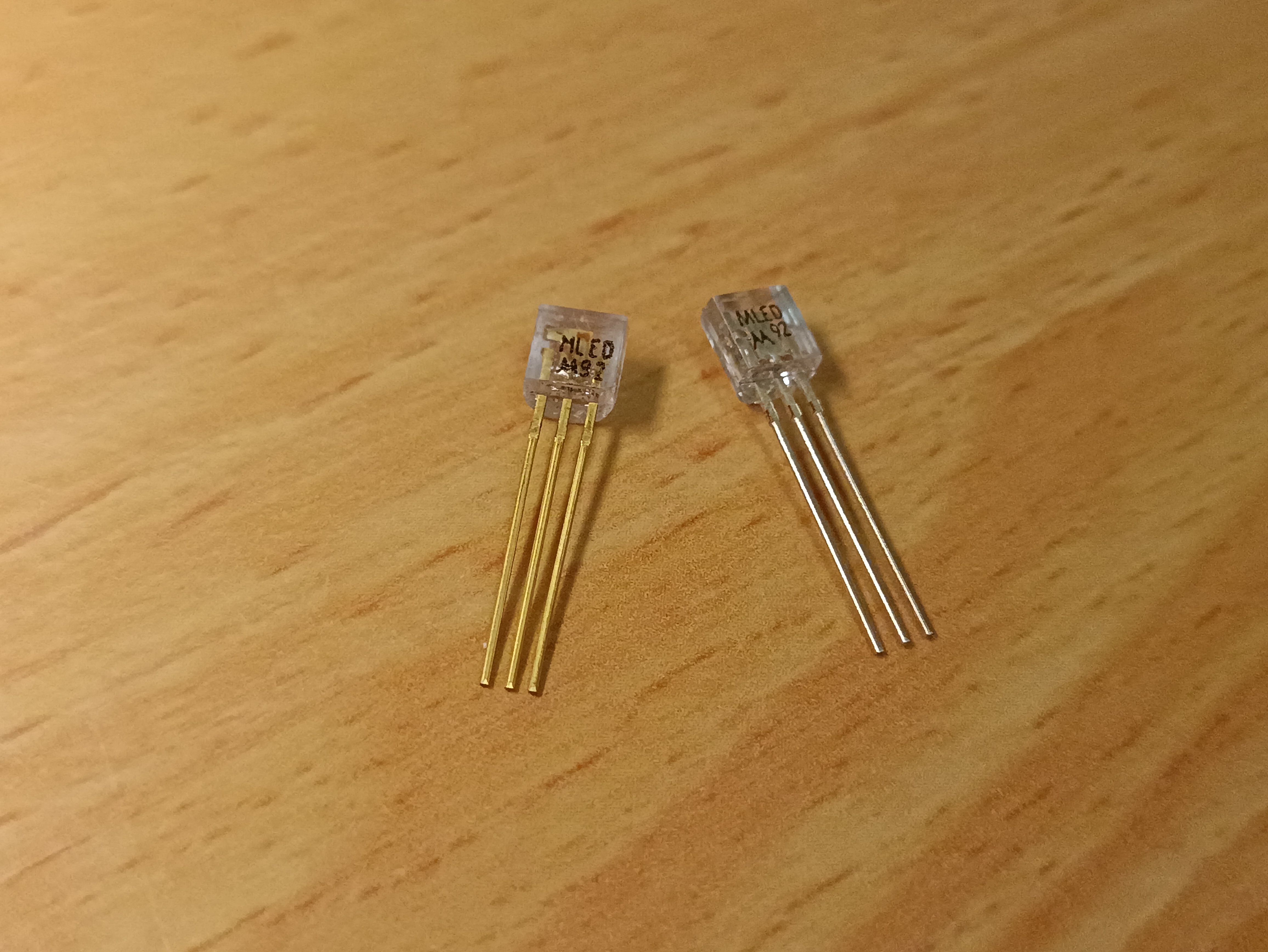
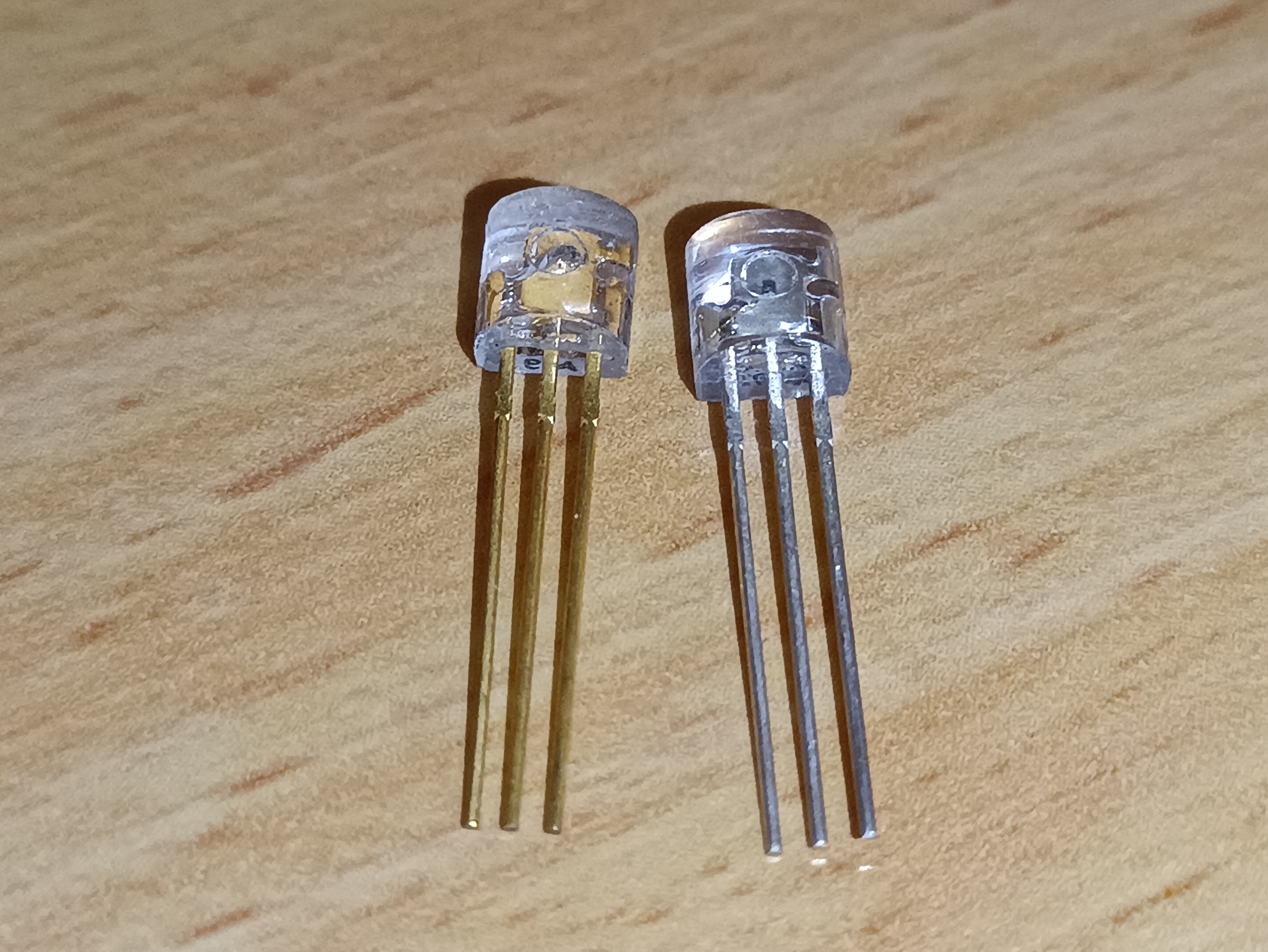
Infrared-emitting LEDs, in a transparent TO-92 package (a highly unusual case). Despite having a 3-pin TO-92 package like a transistor, these are 2-pin devices with the third pin internally disconnected
and functionally useless.
Datasheet: page 3-25 (pdf page 54) of the 1981 Motorola Optoelectronic Device Data book
These are similar to the Motorola Red TO-92 LED documented by Industrial Alchemy, so
assumptions regarding that part can also be assumed for this one, in particular:
"...suggesting that at one point in the not-so-distant past, it was actually economically viable to increase the gold content of your product by 50% if it would allow you to avoid changing your package tooling."These LEDs can also be considered sinister semiconductors, for reasons established in Exhibit I.

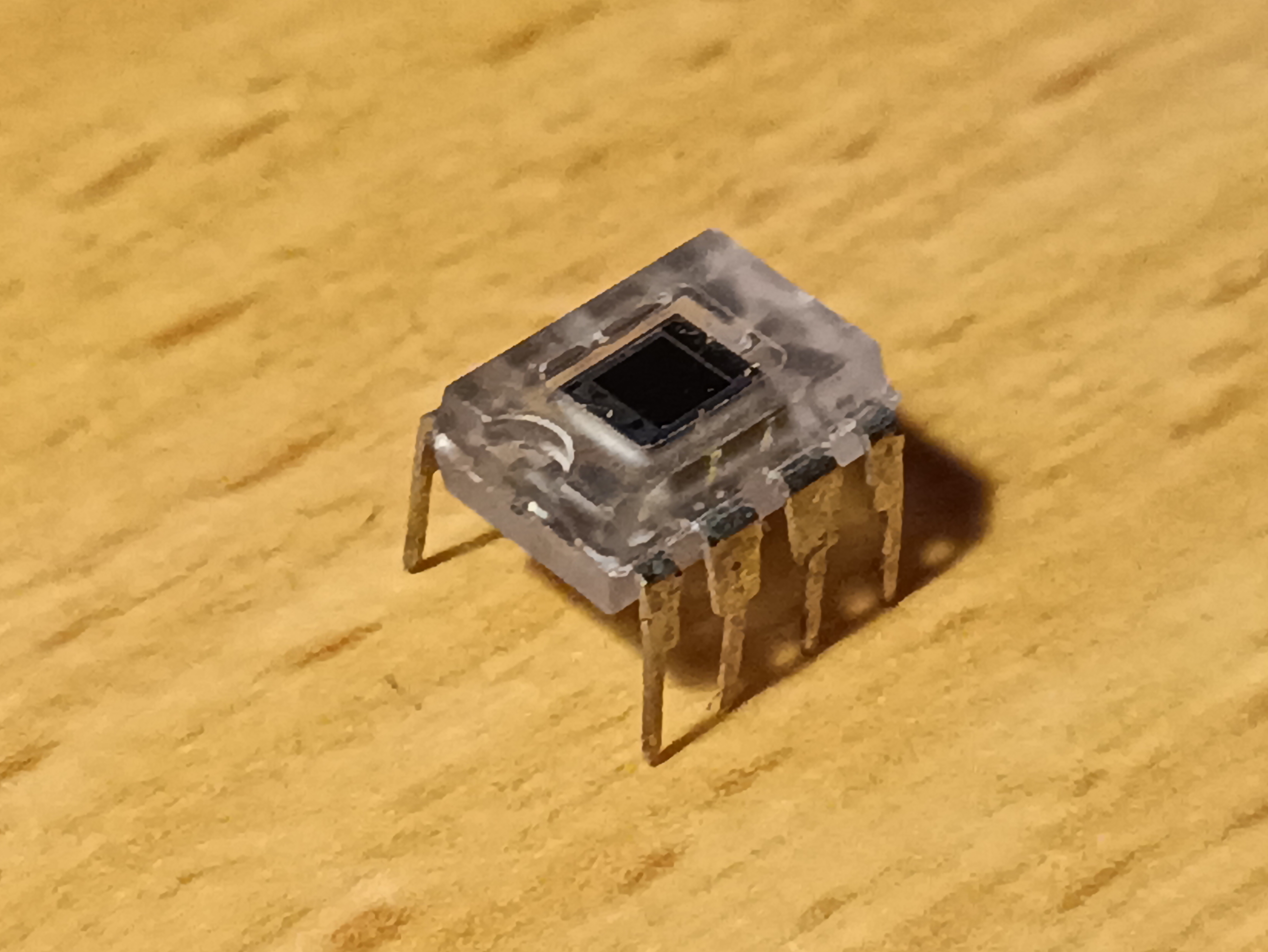
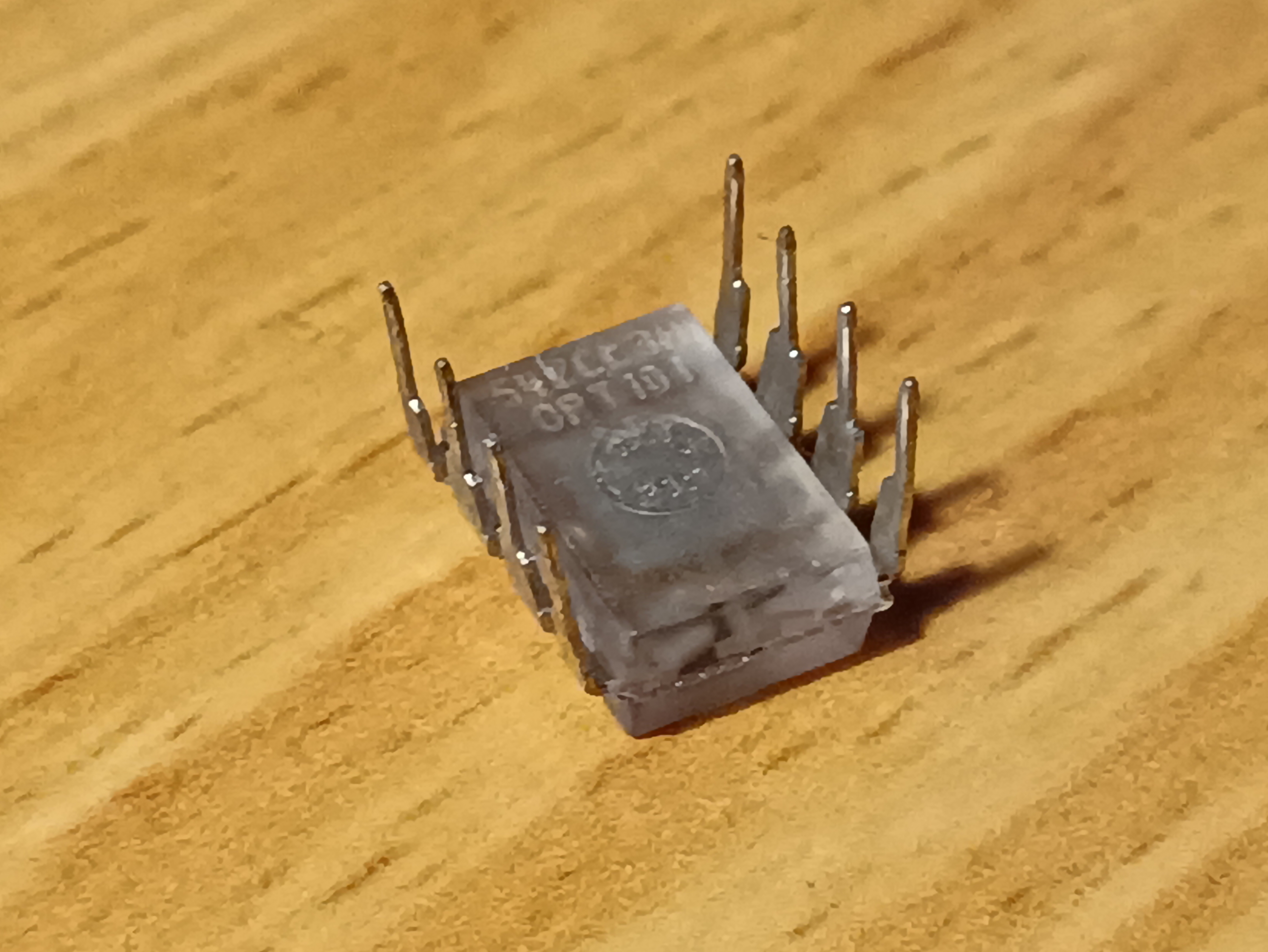
Photodiode and transimpedance op-amplifier in one transparent DIP-8 package. Outputs a voltage level proportional to incident light.
OPT101 datasheet
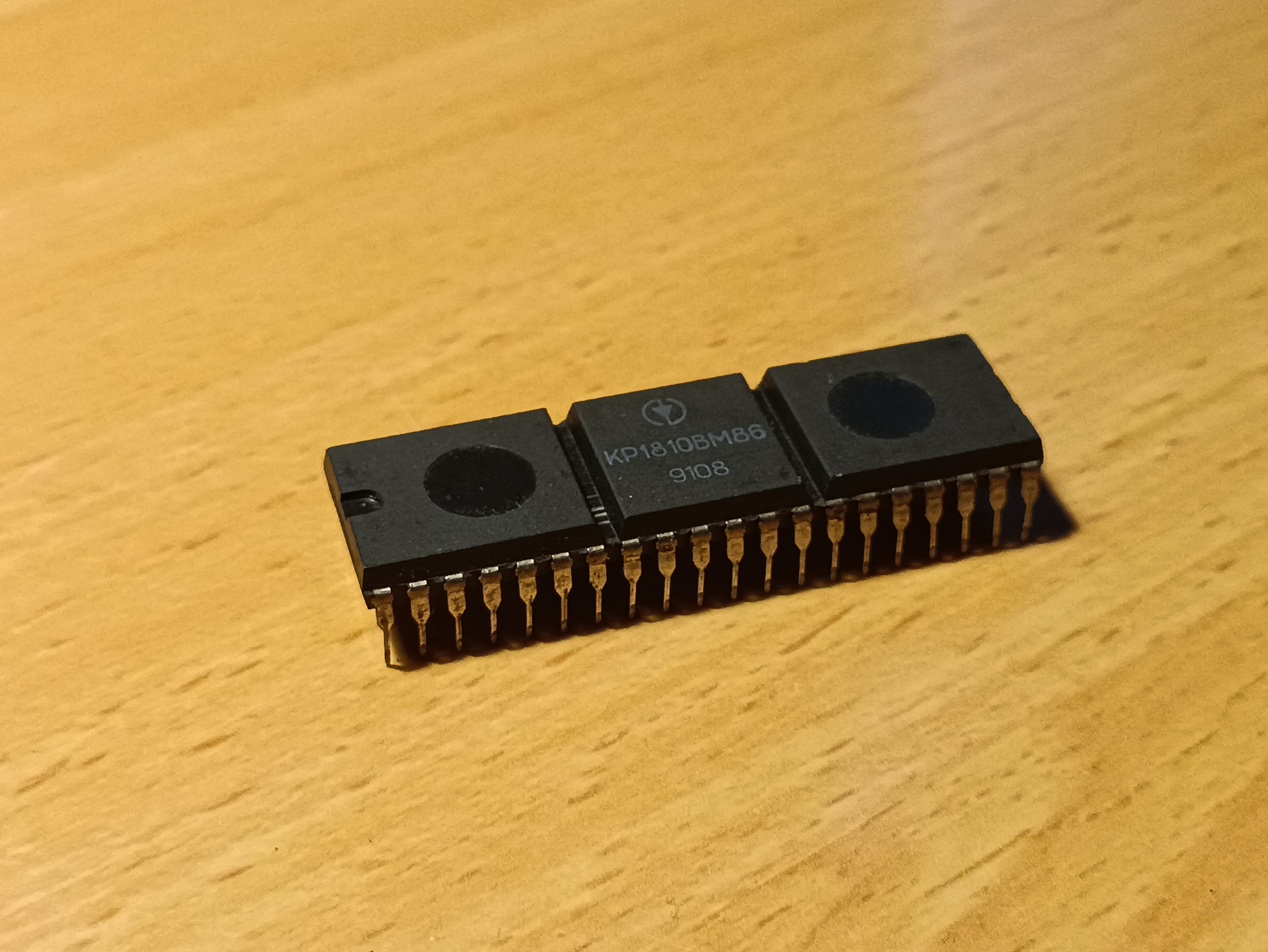
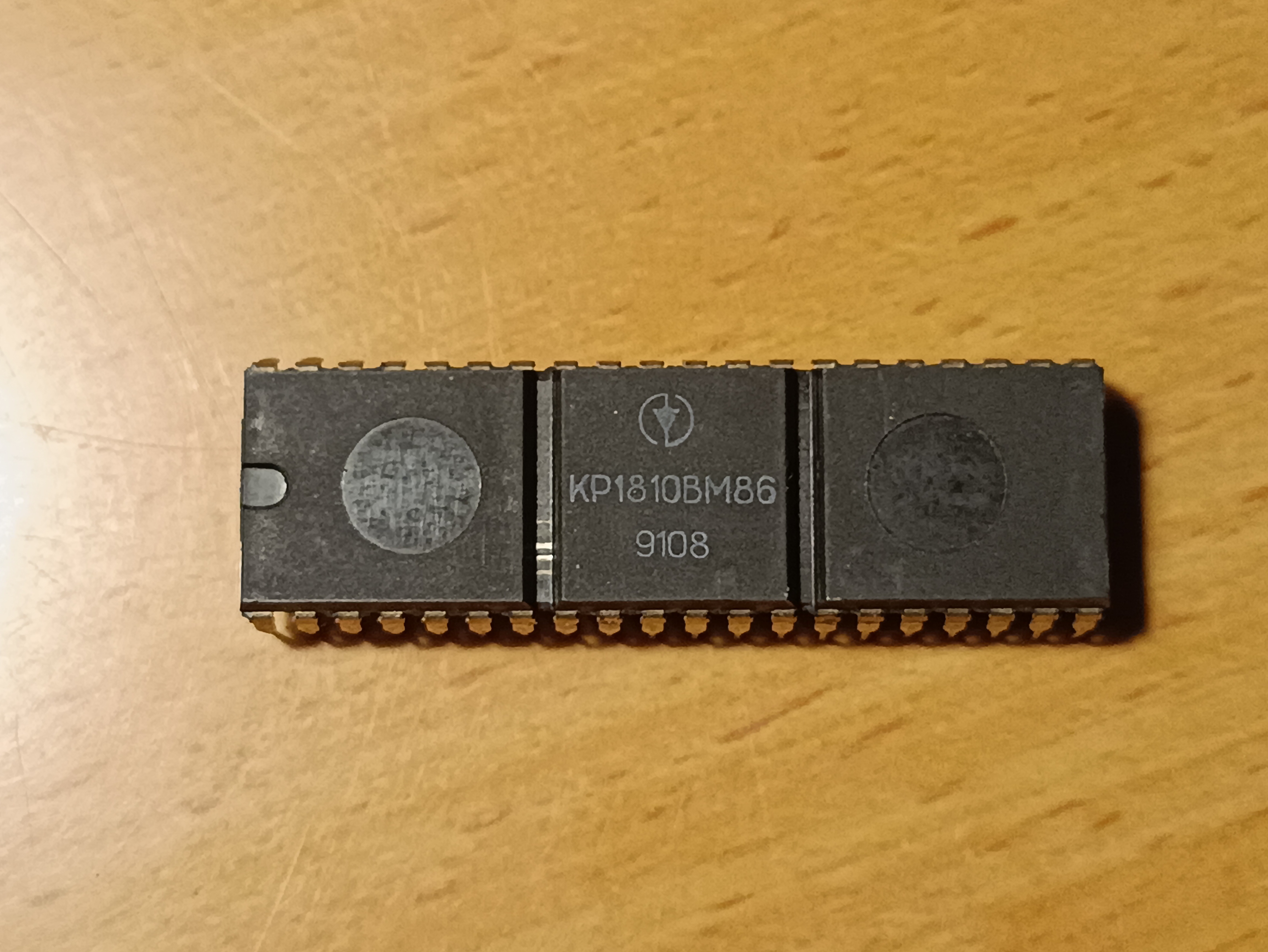
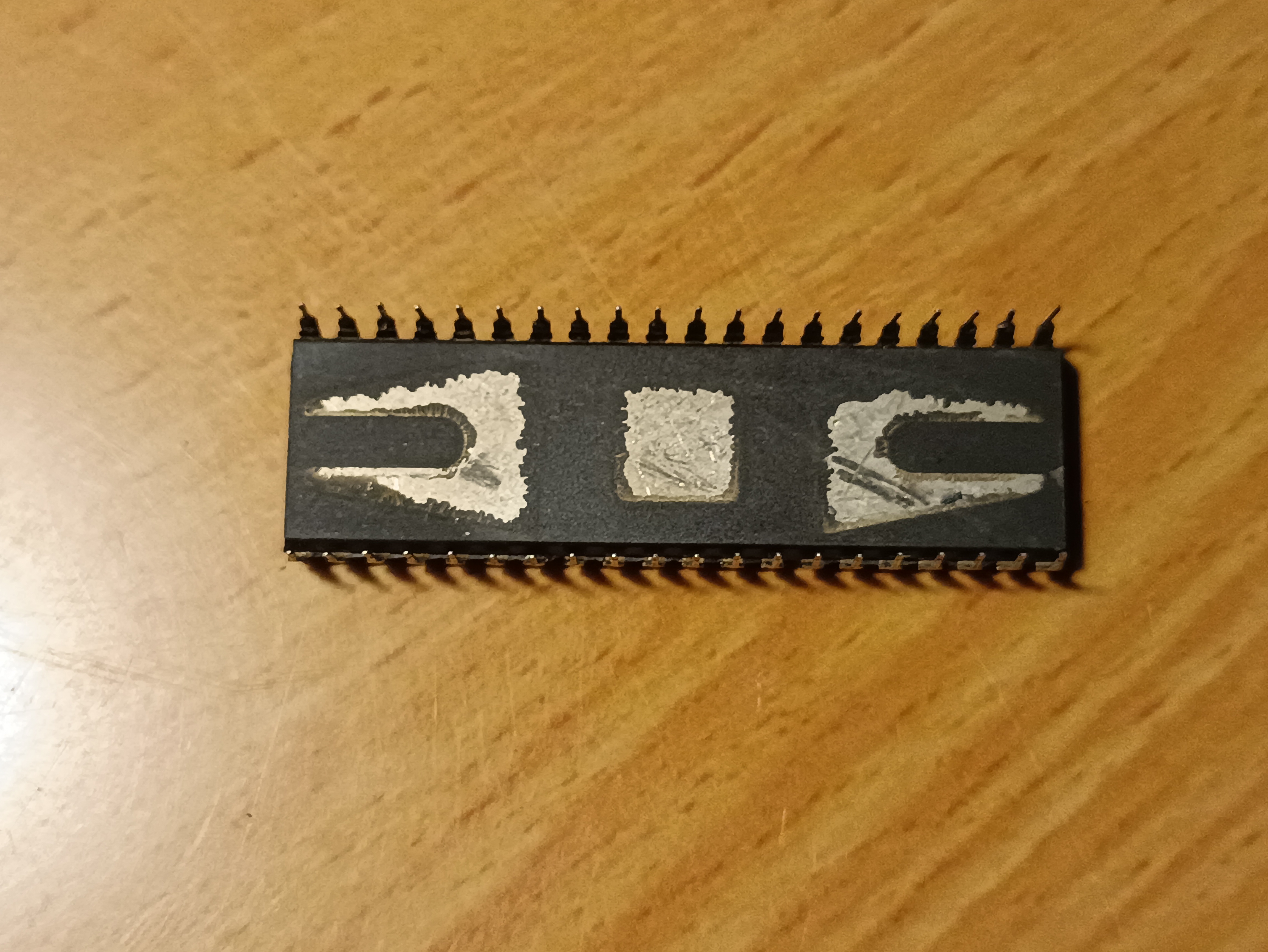
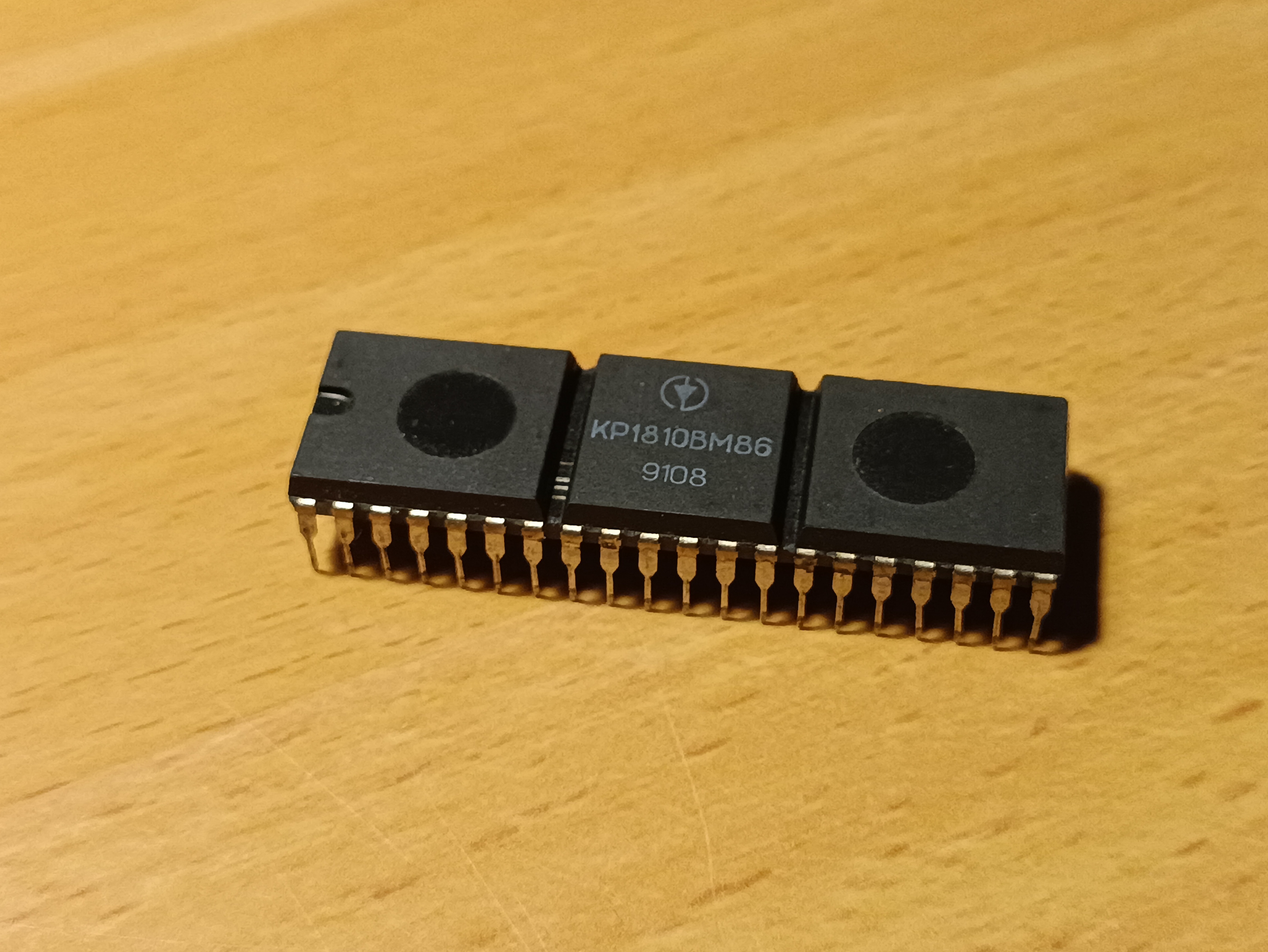
Soviet clone of the Intel 8086 CPU. Pin and binary compatible with the i8086. Has a 2.50mm pin pitch, instead of the much more common 2.54mm pin pitch of the west, making it a poor fit in breadboards and chip sockets.
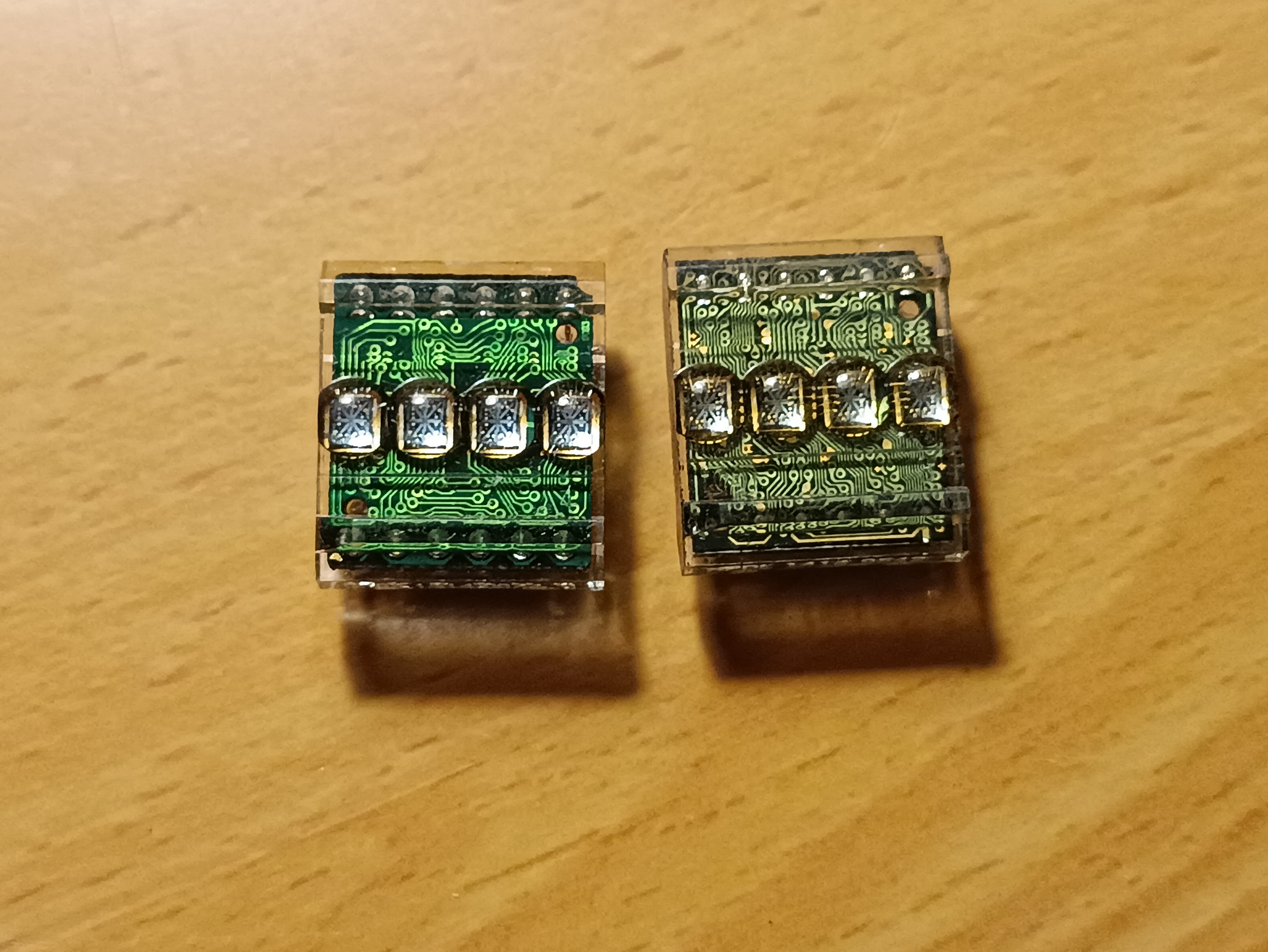
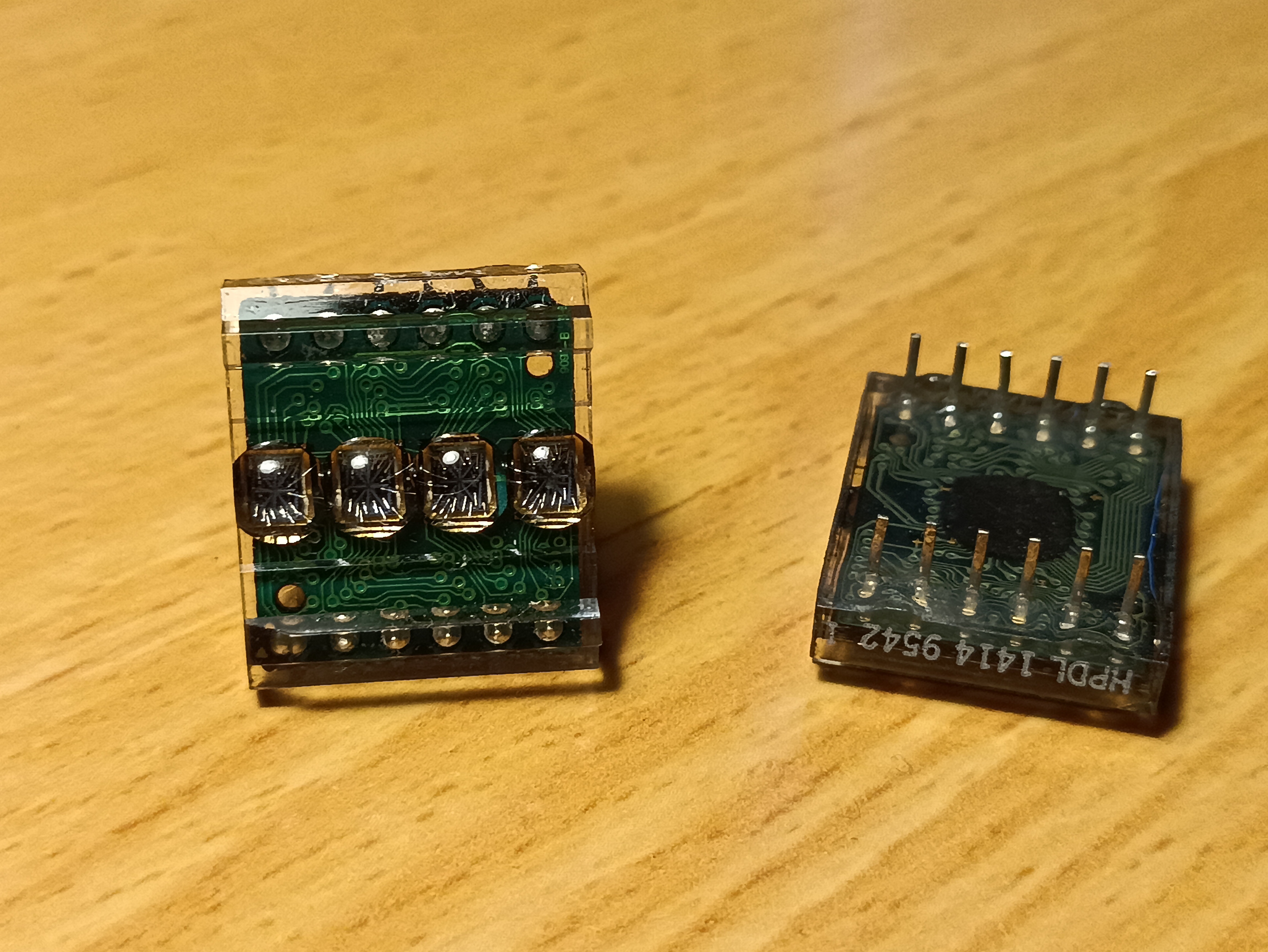
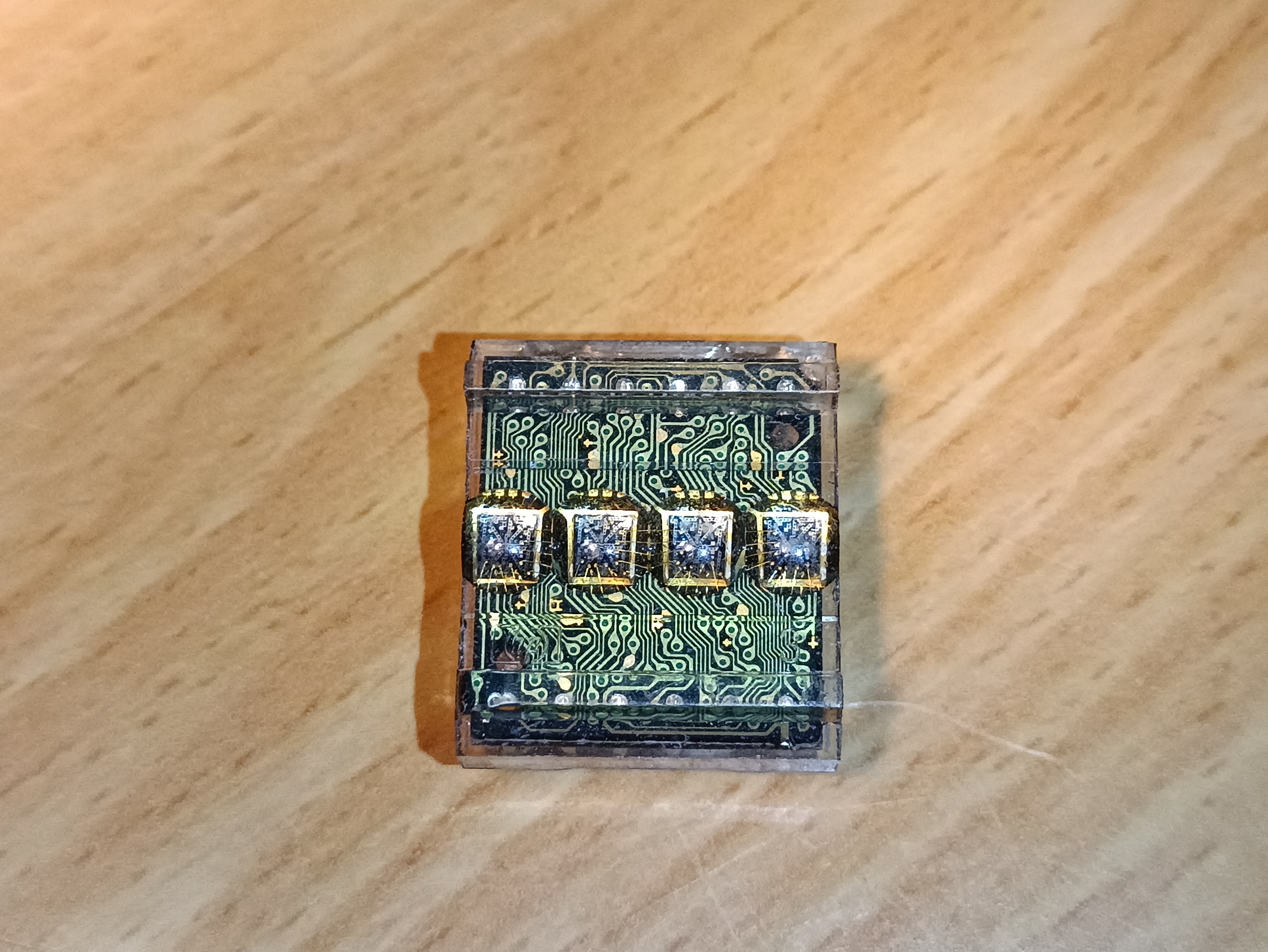
Smart LED display with four 16-segment digits. Takes input using a 2-bit digit selection bus and a 7-bit data bus for ASCII character selection. The integrated circuit that decodes the input
and drives the LEDs is located under the black epoxy blob on the underside - an example of "chip-on-board", where a semiconductor die is placed directly on the circuit board, with bond wires installed between
board and die.
HPDL-1414 datasheet
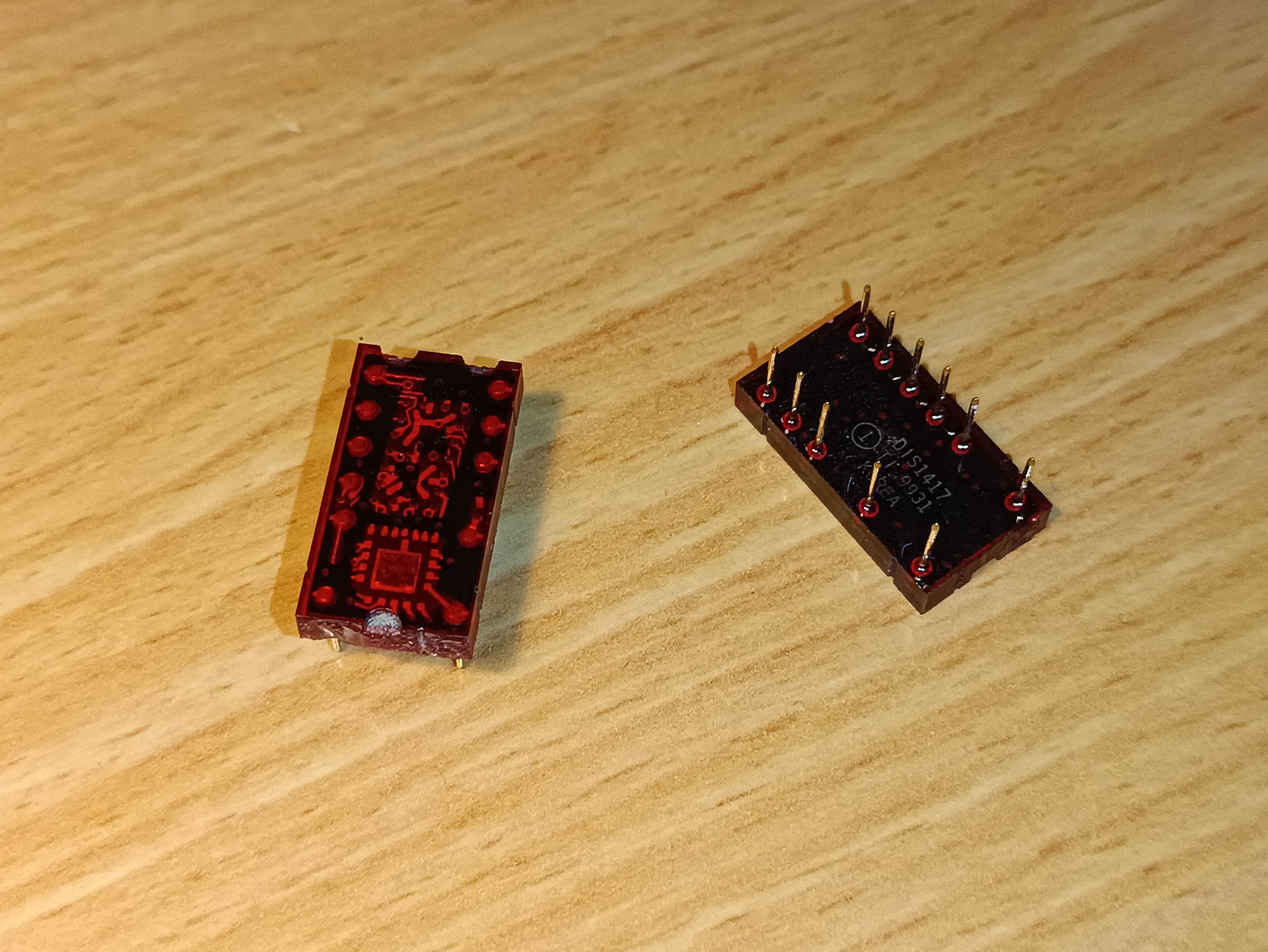
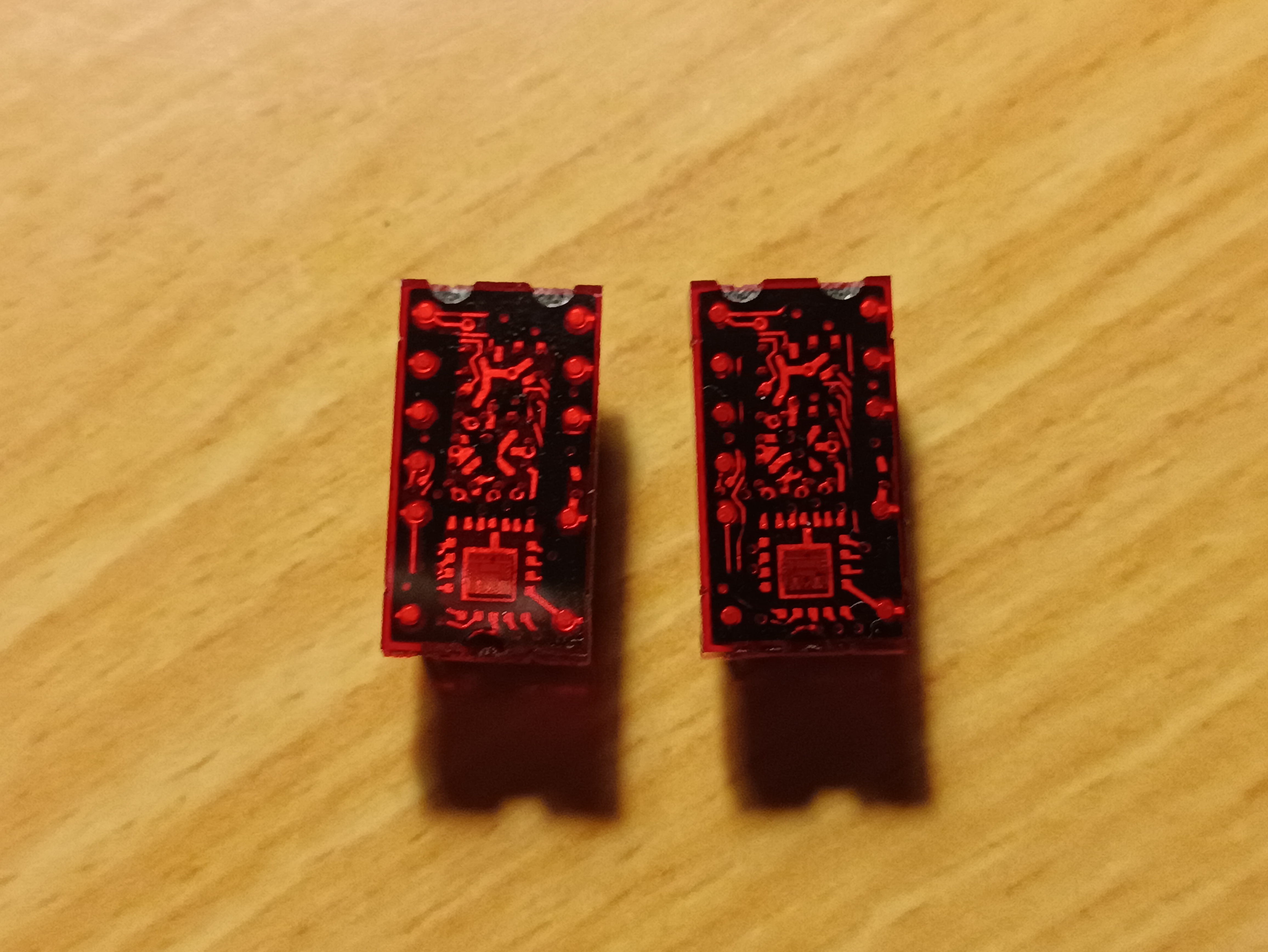
A functional equivalent to the TIL311. A hex display with 4-bit BCD data input, and can display hex digits 0 through F, representing the bit sequence at the input. These consume a constant
current of about 75 to 90mA. From my testing, this current is dependent on the hex digit displayed, and does not increase when keeping the latch pin in either state, so the latch pin may be kept
permanently enabled in a design without an increase in current drawn.
TIL311 datasheet
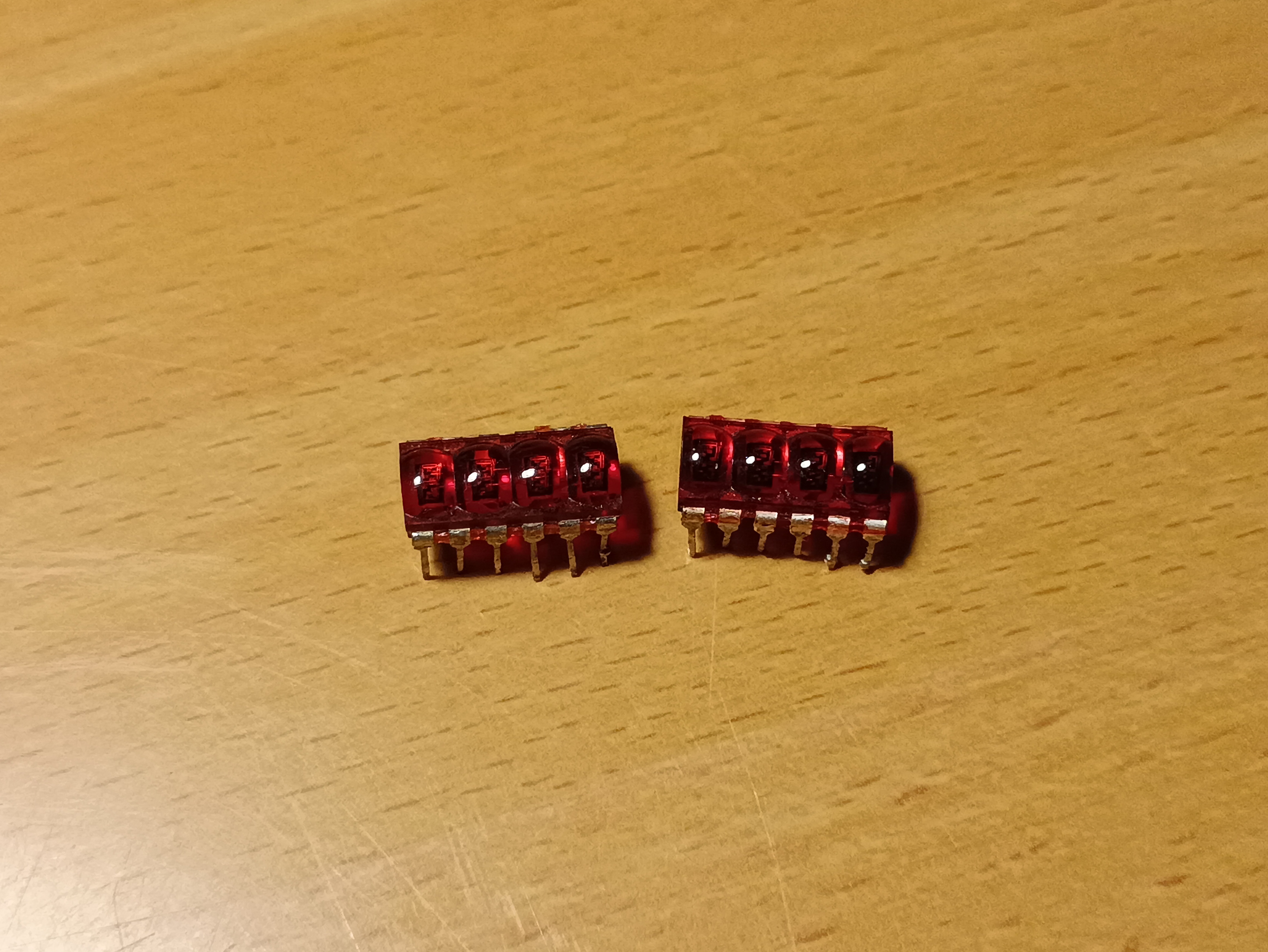
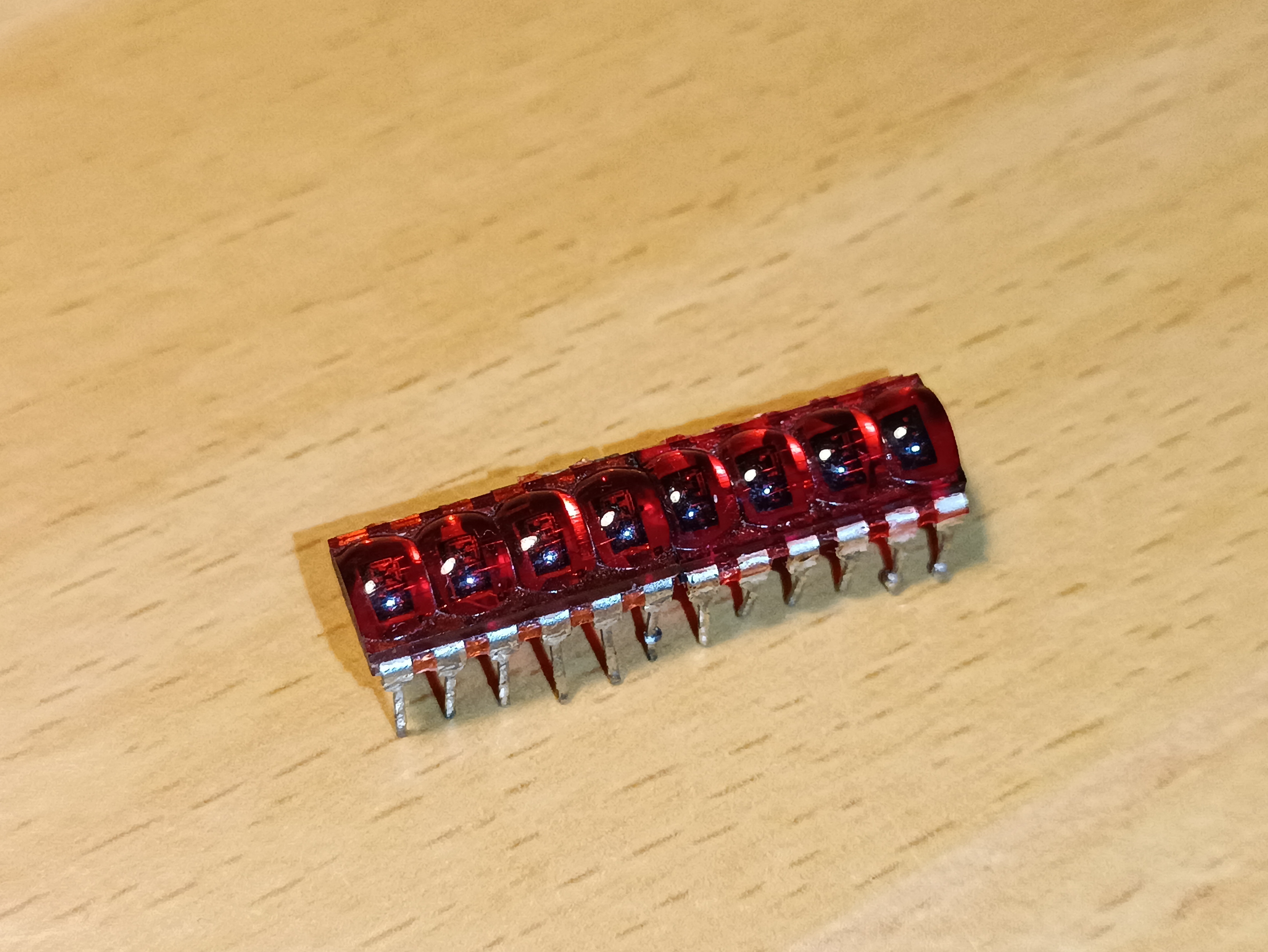
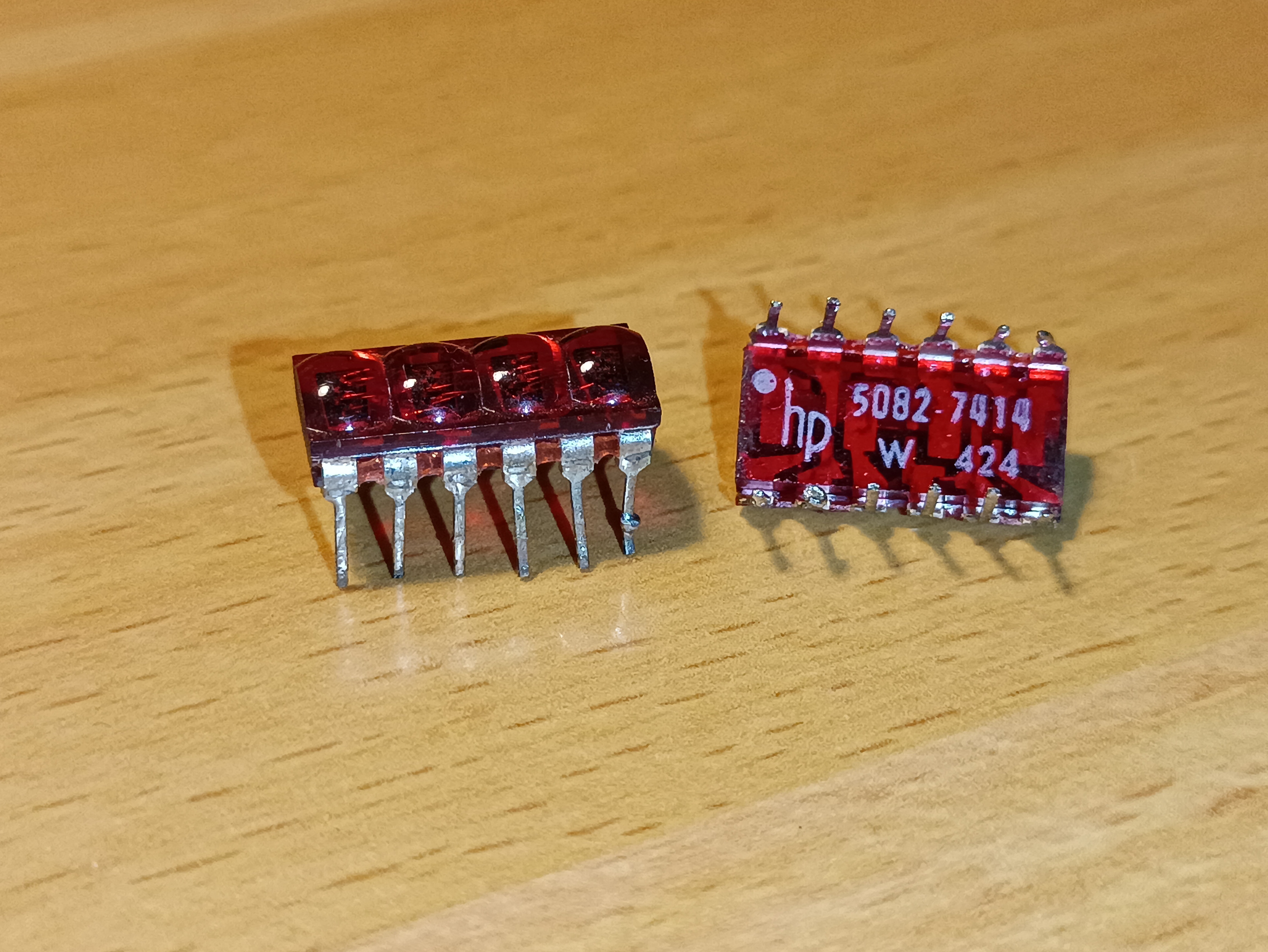
Four digit 7-segment "bubble" display, DIP-12
HP 5082-7400 series datasheet
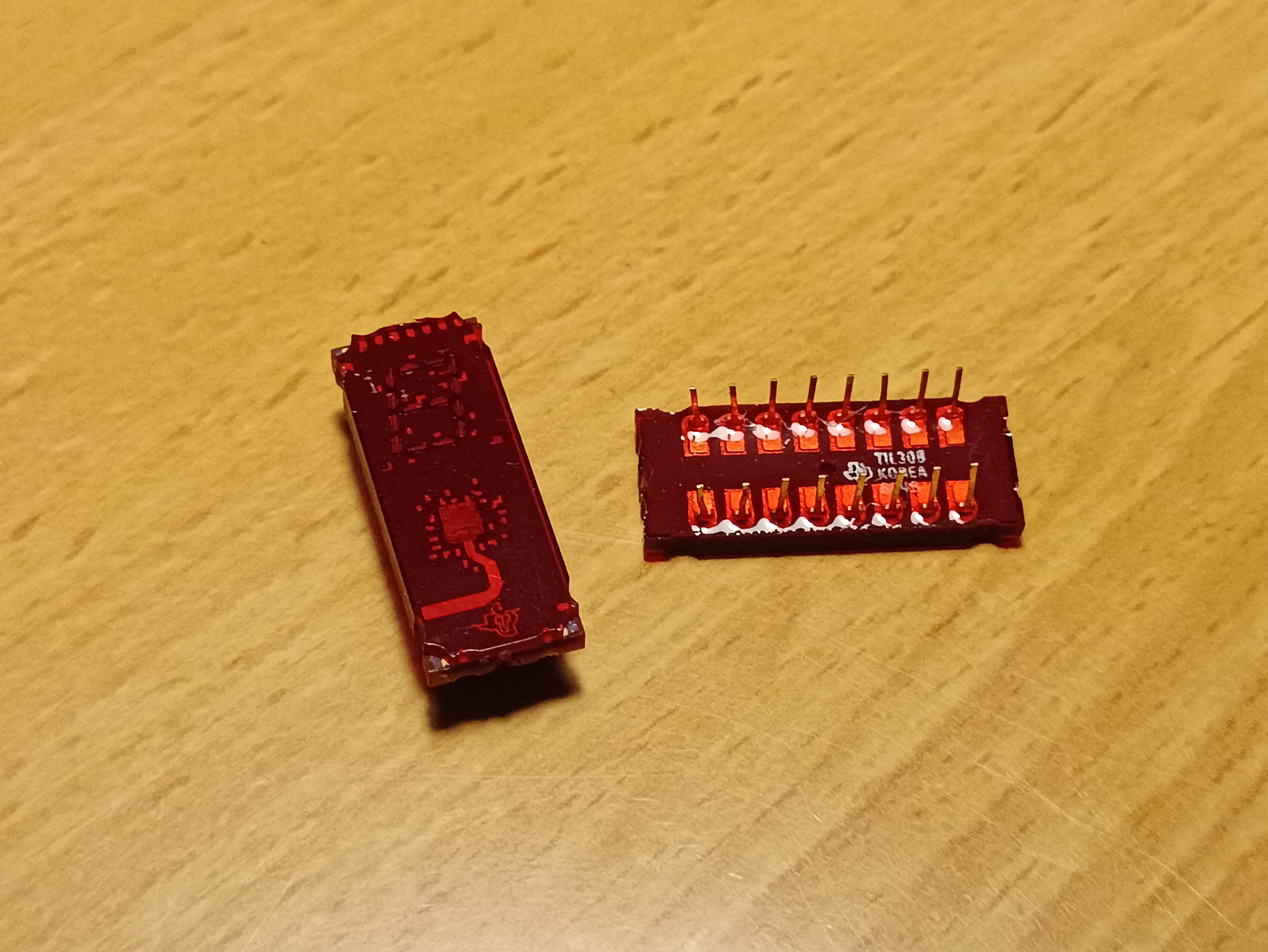
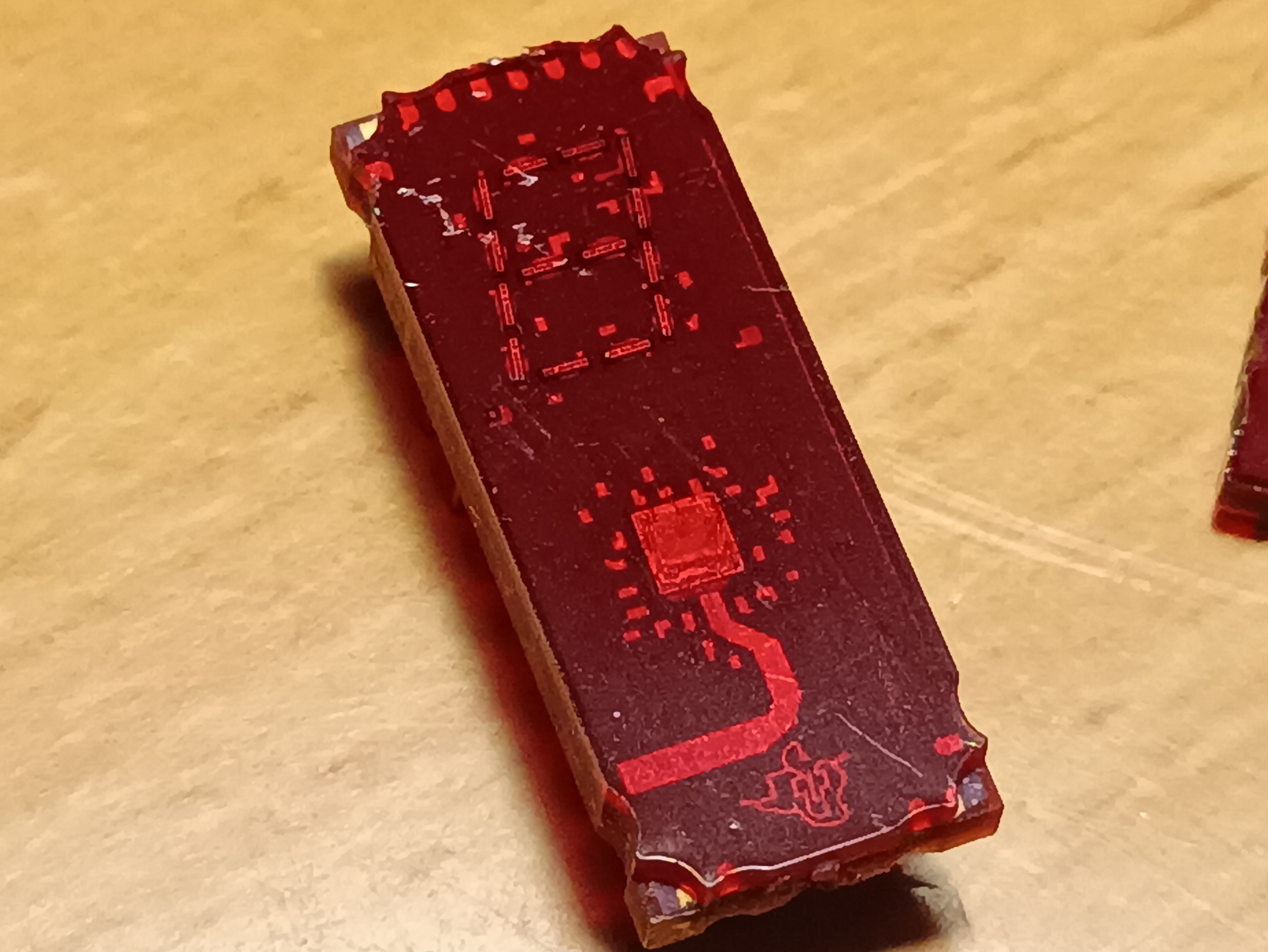
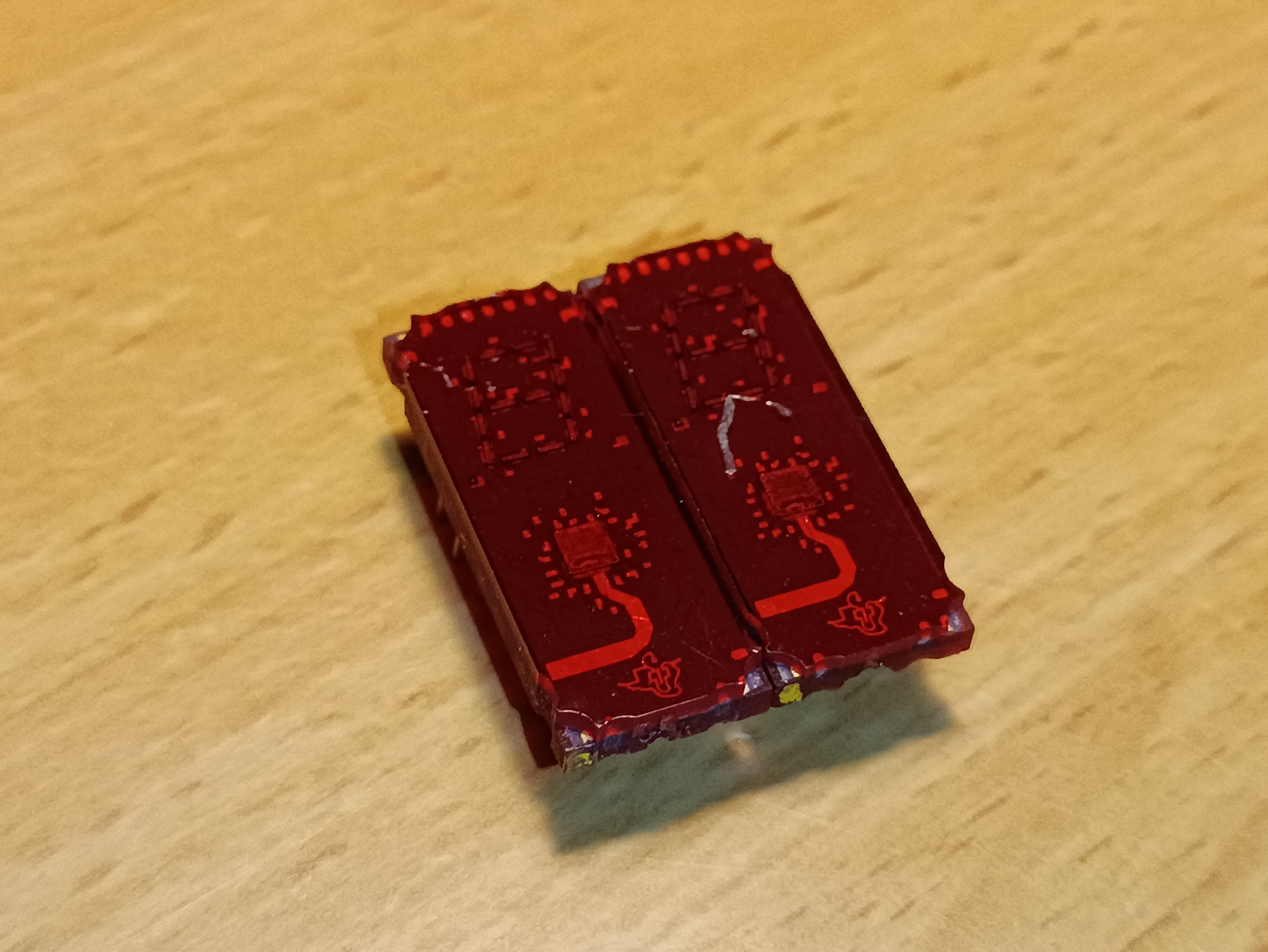
Smart display with 4-bit BCD input. Can display hex digits 0-9, A, C, E and F. The BCD code for B instead displays a minus sign, and the code for D instead blanks all segments.
TIL308 datasheet
Page created: 11DEC2025
Last modified: 01FEB2026